On this page
Key Takeaways
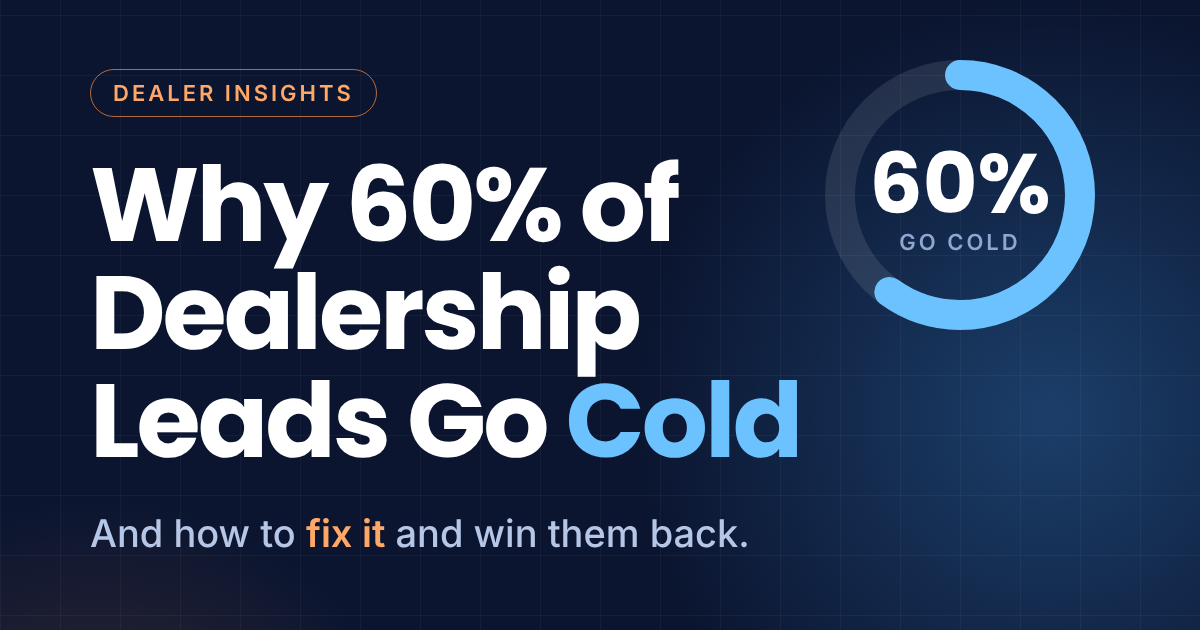
- Industry estimates on cold dealership leads vary, but figures in the 60% range are commonly cited across automotive lead-response research — meaning most of what a dealership pays for in leads never gets converted.
- Leads don't usually go cold because buyers change their minds about wanting a car. They go cold because of slow response times, generic follow-up, and gaps in after-hours coverage.
- The single biggest predictor of whether a lead converts is how fast it gets contacted — leads reached within the first five minutes convert at dramatically higher rates than leads reached even 30 minutes later.
- Winning back cold leads isn't about "trying harder" with the same process. It's about fixing the specific points where leads slip through — first response, follow-up relevance, and consistency over the full length of the buying decision.
- AI-powered lead management is what's made it realistic for dealerships to close these gaps at scale, without needing to triple BDC headcount.
If a dealership generates 100 leads this month, industry research suggests somewhere around 60 of them will go cold — meaning the shopper showed real interest at some point, then simply stopped responding. That's not a small leak in the funnel. That's the majority of the ad spend, the landing page traffic, and the form fills a dealership paid for, sitting untouched in a CRM.
The instinct is to treat that as a demand problem — generate more leads to make up for the ones that don't convert. But a closer look at why dealership leads actually go cold tells a different story. Most of the time, it isn't about buyer intent disappearing. It's about a process gap: the lead didn't get contacted fast enough, didn't get a relevant enough follow-up, or fell through a coverage gap during hours no one was watching the queue. Those are fixable problems — and fixing them is usually far cheaper than buying more traffic to compensate for a leaky funnel.
Why Do So Many Dealership Leads Go Cold?
Response Time Is Too Slow
This is the single biggest factor, and it isn't close. Automotive lead-response research has repeatedly found that leads contacted within the first five minutes convert dramatically better than leads contacted 30 minutes later — and conversion odds keep dropping the longer a dealership waits after that. A shopper who fills out a form is, by definition, at peak interest in that moment. Every minute that passes before a human or AI-powered system responds is a minute a competing dealership has to get there first.
Most dealerships aren't failing to respond entirely — they're failing to respond fast enough, consistently, on every single lead. A BDC team might hit the five-minute window during a slow Tuesday afternoon and miss it completely during a busy Saturday, and that inconsistency is exactly where leads start to cool.
No Coverage During Off-Hours
A meaningful share of dealership website leads come in outside standard business hours — nights, weekends, and holidays — precisely when most BDC teams aren't staffed. A shopper researching cars at 9 p.m. on a Tuesday, or on a Sunday afternoon when the whole family is free to talk about a purchase like this, submits an inquiry and then waits. If that wait stretches into the next business day, the lead has often already cooled — or worse, already been contacted and scheduled by a competitor who responded overnight.
Follow-Up Is Generic, Not Relevant
A shopper who asked about a specific certified pre-owned SUV doesn't want a generic "just checking in, still interested?" email three days later. Follow-up that doesn't reference what the buyer actually asked about reads as automated and low-effort, even when a human sent it — and it trains leads to stop opening dealership emails and texts altogether.
Dealerships Give Up Too Early
Vehicle purchases involve a long decision cycle — often weeks, not days — but most dealership follow-up sequences taper off after two or three attempts. A lead that doesn't respond to the first few touches isn't necessarily gone; they may just not be ready yet. Giving up early means the dealership is voluntarily walking away from leads that were still, technically, in play.
Multiple Dealerships Are Competing for the Same Lead
Car shoppers routinely submit inquiries to several dealerships at once when cross-shopping models or trims. Whichever dealership responds first — and with the most relevant, helpful information — usually wins the appointment, regardless of who has the better price or the bigger inventory. A slow or inconsistent response process means losing that race by default, even on strong leads.
The Real Cost of a High Cold-Lead Rate
Every cold lead sitting untouched in a CRM represents money already spent — the ad click, the landing page visit, the form fill — with no return. For a dealership running paid search, social, and third-party lead campaigns simultaneously, a high cold-lead rate isn't just a missed sale. It's a direct hit to marketing ROI and cost-per-sale.
It compounds, too. A dealership that consistently lets leads go cold has to generate more new leads just to hit the same sales targets, which pushes cost-per-lead higher over time. In most cases, fixing follow-up and re-engagement is significantly cheaper than buying enough additional traffic to make up the difference — and it improves the return on every dollar already being spent on lead generation, not just future spend.
See what your cold leads are actually worth.
Superproducer responds to every lead in seconds, covers nights and weekends, and re-engages cold leads with the exact vehicle they asked about.

How to Win Back Cold Dealership Leads
Respond Within Minutes, Every Time — Not Just When Staffing Allows
The fix for slow response time isn't asking a BDC team to work faster. It's removing the dependency on a human being available the moment a lead comes in. AI-powered chat and voice tools can deliver an instant first response — confirming inventory, answering a pricing question, or starting the scheduling process — within seconds, at any hour, so the five-minute window gets hit on every single lead instead of only the ones that happen to land during a rep's downtime.
Build Re-Engagement Sequences Around What the Lead Actually Asked About
Instead of a single generic "checking in" email, effective re-engagement references the specific vehicle, trim, or question the lead originally raised. AI-powered follow-up tools can personalize this automatically at scale — pulling in the exact model or offer a shopper showed interest in — which makes a cold lead feel like the dealership remembered them, not like they've entered a mass email list.
Extend the Follow-Up Window to Match the Real Decision Cycle
Because vehicle purchases take weeks, follow-up sequences need to run longer than two or three touches. A longer, well-paced cadence — spaced out and varied in format (email, text, a quick call) — keeps a dealership in the running throughout the buyer's full research window, instead of disappearing right around the point when the shopper is finally ready to act.
Score Leads So Reps Know Which Cold Leads Are Worth a Direct Call
Not every cold lead is equally worth chasing. AI-powered lead scoring can flag which cold leads are still showing underlying engagement signals — repeat site visits, opened emails, inventory page views — and surface those for a direct human follow-up call, while lower-signal leads stay in an automated nurture sequence. This lets a human BDC team focus their limited time on the leads most likely to convert with a personal touch.
Close the After-Hours Gap Completely
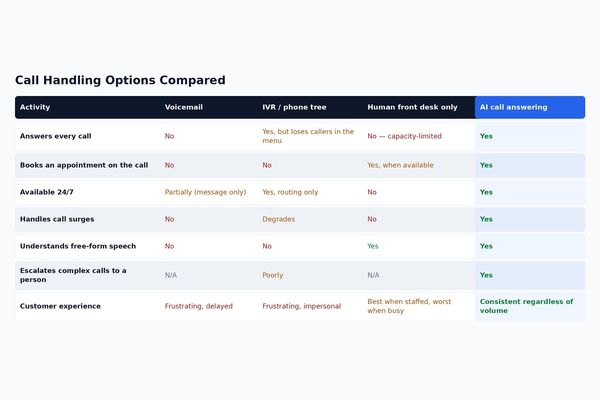
Rather than accepting that a share of leads will always wait until the next business day, AI-powered tools can provide full coverage overnight and on weekends — handling initial response, answering FAQs, and booking appointments around the clock. This alone closes one of the most common reasons leads go cold before a human ever gets involved.
Hand Off Warmed-Up Leads to a Human Rep at the Right Moment
AI shouldn't run the entire relationship. Once a cold lead has been re-engaged and shows real interest again — asking about financing specifics, requesting a test drive, engaging with pricing questions — the strongest systems hand that conversation off cleanly to a human rep, so the negotiation and closing happen with a person, not a bot.
Not sure where your process is breaking down?
Every dealership's cold-lead problem looks a little different — response time for some, follow-up depth for others. Contact Us
Building a System That Keeps Leads From Going Cold in the First Place
Winning back cold leads matters, but the bigger long-term win is reducing how many leads go cold to begin with. That comes down to treating lead response and follow-up as a single continuous system rather than a series of manual, rep-dependent steps:
- Every new lead gets an instant first response, regardless of the hour it comes in.
- Follow-up is automatically tailored to what the lead specifically asked about, not generic.
- The follow-up cadence runs long enough to match how long buyers actually take to decide.
- Lead scoring tells a human team where to spend their limited time.
- AI and human reps hand off to each other smoothly, instead of operating as two separate, disconnected processes.
Dealerships that build their process this way aren't just recovering more cold leads after the fact — they're generating fewer of them in the first place, which is the more valuable outcome over time.
Conclusion
A 60% cold-lead rate sounds like a demand problem, but it's almost always a process problem — and process problems are fixable. Dealerships that close the gaps where leads go cold—slow response, no after-hours coverage, generic follow-up, giving up too soon—end up converting more of the leads they've already paid for, instead of needing to buy more traffic to compensate. The strongest dealerships pair AI-powered speed and consistency with a human team for the conversations that need one, turning what used to be a graveyard of dead leads into one of their most reliable sources of closed deals.
Superproducer pairs AI-powered BDC coverage with a trained human team — instant first response on every lead, follow-up that runs as long as the buying cycle does, and a clean handoff to a rep when the shopper is ready to talk numbers.
FAQs
Why do dealership leads go cold? Most cold dealership leads result from slow response times, no after-hours coverage, generic follow-up messaging, or giving up too early — not from buyers losing interest in purchasing a vehicle. The interest was usually real; the follow-up process is what broke down.
What percentage of dealership leads typically go cold?Estimates vary by source and dealership, but figures in the 60% range are commonly referenced in automotive lead-response discussions, underscoring how much of a typical dealership's paid lead volume never converts without a stronger follow-up process.
How fast should a dealership respond to a new lead to avoid it going cold?As close to instantly as possible. Research on lead response consistently shows leads contacted within the first five minutes convert far better than leads contacted 30 minutes or more later, with conversion odds dropping the longer the wait.
Can cold leads actually be won back, or are they mostly a lost cause?They can be won back. A cold lead reflects a break in the follow-up process more often than a genuine loss of interest, which is why relevant, well-timed re-engagement — especially AI-powered re-engagement that references what the lead originally asked about — can convert leads that looked dead in the CRM.
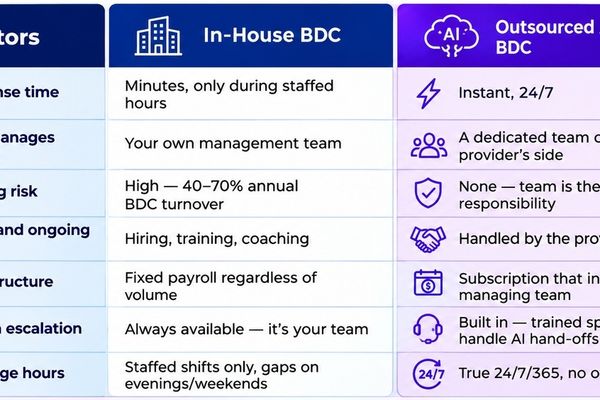
Does winning back cold leads require more BDC staff? Not necessarily. AI-powered tools can handle instant first response, automated re-engagement, and lead scoring at a scale a human team alone can't match around the clock, freeing existing staff to focus on the highest-value conversations instead of requiring a bigger headcount.
Sources
- Cox Automotive, Car Buyer Journey Study — https://www.coxautoinc.com/market-insights/
- J.D. Power, Automotive dealer and consumer research — https://www.jdpower.com/business/automotive
- Deloitte, Global Automotive Consumer Study — https://www.deloitte.com/global/en/Industries/automotive/research/global-automotive-consumer-study.html
- National Automobile Dealers Association (NADA), Industry data — https://www.nada.org/nada/nada-data
- Think with Google, Auto shopper insights — https://www.thinkwithgoogle.com/marketing-strategies/search/

Manan Bhalodia
Expert in automotive AI solutions and customer service optimization. Passionate about helping automotive dealerships leverage technology for growth.